Foods to Avoid to Prevent Damage to Your Crown
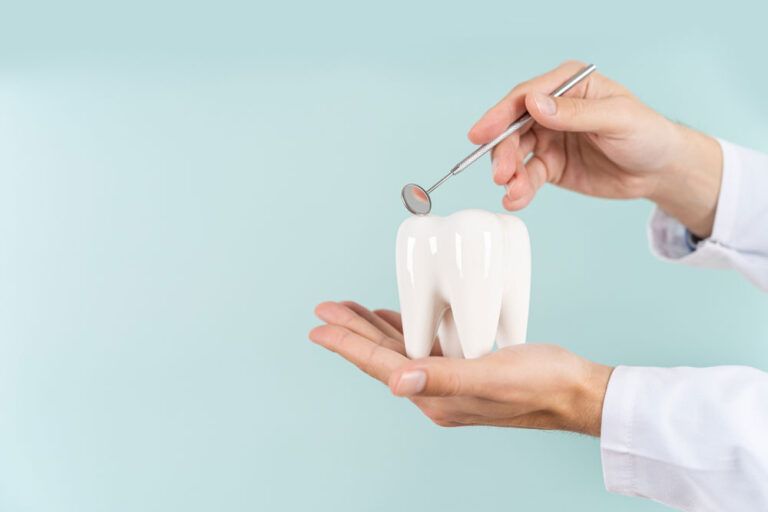
Dental crowns are a valuable investment in your oral health, restoring the function and appearance of damaged or weakened teeth. At Sunset Dental Group in Santa Ana, CA, we understand the importance of maintaining the integrity of your dental crowns to ensure they last as long as possible. While crowns are designed to be strong and durable, certain foods can cause damage, leading to cracks, chips, or premature wear. Understanding which foods to avoid can help you protect your dental work and maintain a healthy, beautiful smile.
Why Dental Crowns Need Special Care
Crowns are typically made from materials like porcelain, ceramic, metal, or a combination of these. While these materials are tough, they are not invincible. Excessive force or exposure to certain foods can cause damage. Unlike natural teeth, crowns do not have the same flexibility or regenerative capabilities, making them more susceptible to cracking or breaking when subjected to hard or sticky substances.
Moreover, sugary and acidic foods can compromise the cement holding the crown in place, potentially leading to loosening or decay around the margins. Since crowns cover the entire visible part of a tooth, any damage or decay beneath the crown can lead to serious dental problems. Understanding how food affects crowns is essential in prolonging their lifespan and preventing costly dental repairs.
Hard and Crunchy Foods to Limit
One of the most common causes of crown damage is biting down on hard or crunchy foods. Foods like hard candies, nuts, ice, and popcorn kernels can exert excessive pressure on crowns, causing cracks or chips. While enjoying these treats occasionally might not cause immediate damage, frequent consumption increases the risk significantly.
Chewing on ice is a particularly risky habit that can quickly lead to cracks in porcelain or ceramic crowns. Additionally, hard nuts and popcorn kernels can get stuck between teeth and crowns, putting pressure on the crown or irritating the gums. It’s advisable to avoid chewing these foods directly or to consume them with care by breaking them into smaller, less risky pieces.
For crunchy vegetables like raw carrots or hard fruits like apples, it’s better to cut them into small, manageable pieces rather than biting directly into them. This reduces the force applied to the crown and helps maintain its structural integrity over time.
Sticky and Chewy Foods to Avoid
Sticky and chewy foods pose another threat to dental crowns. Items such as caramel, taffy, gummy candies, and chewing gum can pull at the crown or the cement bonding it to the tooth. This tugging motion can loosen the crown or even cause it to dislodge completely.
Additionally, sticky foods can trap bacteria and sugars around the crown’s edges, increasing the risk of decay beneath the crown. Even though crowns themselves don’t decay, the underlying tooth structure is still vulnerable. Sticky sweets also tend to cling to the surface for long periods, making thorough cleaning difficult and increasing the chance of gum irritation and plaque buildup.
If you do indulge in sticky treats, it’s important to brush and floss carefully afterward to remove any residue and protect both the crown and your natural teeth.
Acidic and Sugary Foods That Weaken Crowns
Foods and beverages high in sugar and acid, like soda, citrus fruits, and sugary snacks, can indirectly harm dental crowns. While crowns are resistant to decay themselves, the underlying tooth and surrounding gums can be affected. Acidic foods erode the enamel and the cement holding the crown in place, leading to sensitivity, discomfort, or crown loosening.
Sugary foods feed bacteria in the mouth, producing acids that wear down the tooth structure beneath the crown. This can cause decay that is difficult to detect until it becomes severe, sometimes necessitating crown replacement or more invasive dental treatment.
Limiting the intake of acidic drinks like orange juice, sports drinks, and soda is beneficial not only for your crowns but for overall dental health. Drinking water after consuming acidic or sugary items can help rinse away harmful substances and reduce their impact.
Tips for Protecting Your Crown Through Diet
Maintaining a diet that supports crown longevity involves not only avoiding harmful foods but also choosing nourishing alternatives. Foods that are soft, nutrient-rich, and low in sugar are best for your dental work. Incorporating dairy products like cheese and yogurt can help strengthen teeth due to their calcium content. Soft fruits such as bananas and berries provide vitamins without risking crown damage.
Drinking plenty of water and practicing good oral hygiene also play critical roles in protecting crowns. Rinsing your mouth after meals, avoiding excessive snacking, and brushing gently with a soft-bristled toothbrush will keep your crowns and natural teeth healthy.
Here’s a quick summary of foods to avoid to protect your dental crown:
- Hard candies, ice, nuts, popcorn kernels
- Sticky foods like caramel, taffy, and gummy candies
- Acidic drinks and foods, including soda and citrus fruits
- Excessively sugary snacks
At Sunset Dental Group in Santa Ana, CA, we believe that understanding how your diet affects your dental restorations is key to preserving your smile. Taking care with the foods you eat will help your crowns serve you well for many years.
Conclusion
Protecting your dental crowns means being mindful of what you eat and avoiding foods that can cause damage or weaken the bond between your crown and natural tooth. Hard, sticky, acidic, and sugary foods all pose risks that can compromise your crown’s longevity. By adopting a balanced diet and practicing good oral hygiene, you can safeguard your dental investment and enjoy a healthy, confident smile. For patients in Santa Ana, CA, Sunset Dental Group encourages you to stay informed and proactive in your dental care.
Resources
- McLaren, L., & Smeets, R. (2020). The Effects of Diet on Dental Crowns: A Review. Journal of Prosthodontic Research.
- American Dental Association. (2022). Foods That Can Damage Your Teeth. ADA.org.
- Ghasemi, A., et al. (2018). Impact of Food Hardness on Dental Restorations. Journal of Oral Rehabilitation.

Recent Comments