How to Care for Dental Implants
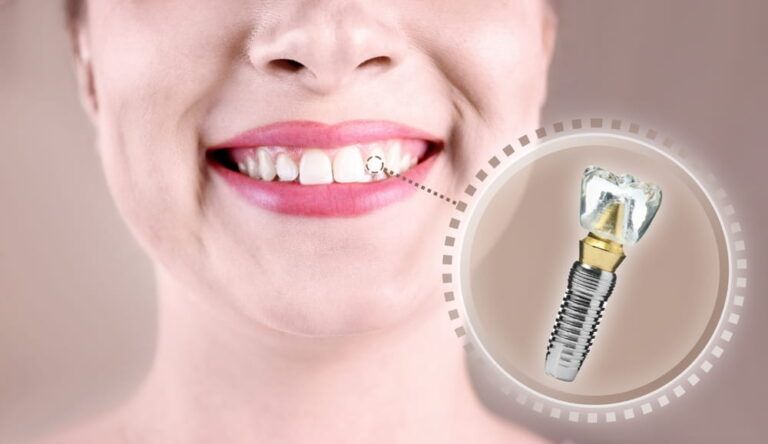
Dental implants have revolutionized modern dentistry, offering patients a permanent solution for missing teeth. At Sunset Dental Group in Santa Ana, CA, Drs. Amanda & Jerry Kronquist emphasize the importance of proper implant care to ensure long-term success. While dental implants are durable and designed to mimic natural teeth, they still require consistent maintenance and attention to keep both the implant and surrounding tissues healthy. Understanding the best practices for cleaning, monitoring, and protecting implants can help patients enjoy a confident smile for years to come.
Understanding Dental Implants
Dental implants are composed of three main components: the titanium post, the abutment, and the crown. The titanium post is surgically placed into the jawbone, acting as an artificial root that fuses with the bone over time. The abutment connects the post to the crown, which is the visible portion resembling a natural tooth. Because implants integrate directly with the bone, they provide stability and function similar to natural teeth. However, just like real teeth, implants are susceptible to bacterial buildup, gum inflammation, and mechanical wear if not cared for properly. Regular maintenance is essential to protect both the implant and the surrounding oral structures.
Proper care also includes understanding potential risks such as peri-implantitis, a condition similar to gum disease that affects the tissue around implants. Recognizing early signs, such as redness, swelling, or bleeding, can prevent complications. Patients should be proactive about scheduling routine checkups to monitor implant health, which helps maintain both aesthetics and functionality over time.
Daily Oral Hygiene Practices
Maintaining excellent oral hygiene is the cornerstone of dental implant care. Brushing twice daily with a soft-bristled toothbrush helps remove plaque and food particles from the crown and surrounding gums. Using a low-abrasive toothpaste is recommended to avoid scratching the implant surface. In addition to brushing, daily flossing is crucial. Special implant floss or interdental brushes can reach areas around the implant where standard floss might not be effective.
Rinsing with an antimicrobial mouthwash can further reduce bacterial buildup, promoting healthier gum tissue. Patients should also avoid using harsh chemicals or abrasive powders that could damage the implant’s surface. Establishing these habits early ensures a lower risk of inflammation, discomfort, or implant failure. Combining thorough home care with professional cleanings is the most effective strategy for maintaining implant longevity.
Diet and Lifestyle Considerations
Your diet and lifestyle choices can significantly impact the health of dental implants. Consuming a balanced diet rich in vitamins and minerals supports bone health and encourages gum tissue healing. Avoiding excessive sugary or acidic foods reduces the risk of bacterial growth and plaque accumulation, which can compromise the surrounding gums. Hard foods like ice or unpopped popcorn kernels should be avoided, as they can damage the implant crown.
Lifestyle factors, including smoking and alcohol consumption, also play a critical role in implant health. Smoking can impair blood flow, slowing healing and increasing the likelihood of implant complications. Alcohol, in excess, can affect oral tissue recovery and increase bacterial growth. Patients who maintain healthy habits alongside consistent dental care will see improved outcomes and longer-lasting results.
Professional Care and Maintenance
Regular visits to a dental professional are vital to preserving the health of implants. Routine exams allow dentists to evaluate the integration of the implant with the jawbone and identify early signs of potential issues. Professional cleanings help remove hardened plaque and tartar that cannot be removed with home care alone. Dentists may also provide guidance on proper brushing and flossing techniques specific to implant maintenance.
Patients may also benefit from complementary treatments to protect their implants, such as bite guards to prevent wear from grinding or orthodontic evaluations if alignment issues exist. In some cases, procedures like Crowns and Bridges or Oral Surgery and Implants are recommended to enhance function and aesthetics. Staying consistent with professional care significantly reduces the risk of complications and ensures implants last for decades.
Common Problems and How to Address Them
Even with diligent care, issues may occasionally arise. One of the most common problems is gum inflammation, which can lead to peri-implantitis if untreated. Patients should monitor for redness, swelling, or bleeding around the implant. Another concern is mechanical damage, such as chipping or loosening of the crown. Immediate consultation with a dental professional is essential if any of these signs occur.
To prevent these issues, maintaining proper oral hygiene, avoiding harmful habits, and scheduling regular checkups are key. Using protective devices such as Bite Guards can reduce the risk of wear and tear, especially for patients who grind their teeth. Awareness and early intervention are the best defenses against implant complications.
Conclusion
Caring for dental implants involves a combination of daily hygiene, mindful lifestyle choices, and consistent professional oversight. Patients in Santa Ana, CA who follow these guidelines can enjoy the benefits of a healthy, lasting smile. Sunset Dental Group, led by Drs. Amanda & Jerry Kronquist, encourages all implant recipients to stay vigilant with their care routines and consult their dental team promptly if any concerns arise. By investing in proper maintenance, dental implants can remain a reliable and natural-looking solution for tooth replacement for many years.
Resources
McLaughlin, K. A., & Nolen-Hoeksema, S. (2011). Rumination as a Transdiagnostic Factor in Depression and Anxiety. Behavior Research and Therapy.
Mombelli, A., & Lang, N. P. (1998). The diagnosis and treatment of peri-implantitis. Periodontology 2000.
Misch, C. E. (2008). Dental Implant Prosthetics. Elsevier Health Sciences.

Recent Comments