Medications and Their Impact on Oral Health
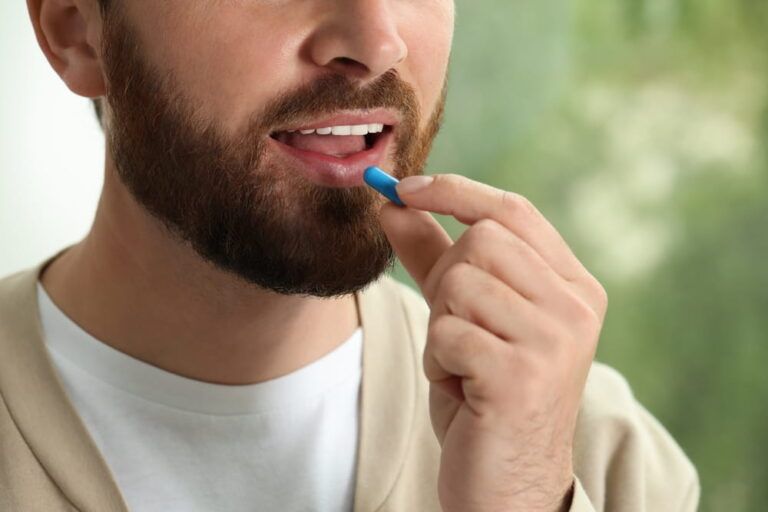
Many people don’t realize that medications can significantly affect oral health. At Sunset Dental Group in Santa Ana, CA, Drs. Amanda & Jerry Kronquist emphasize that understanding these effects is key to maintaining a healthy smile. Whether prescription drugs, over-the-counter medications, or supplements, almost every medication has the potential to influence oral tissues, saliva production, and overall dental health. Being aware of these risks allows patients to take preventive measures and coordinate with their dental team for optimal care.
How Medications Affect Saliva and Oral Tissues
One of the most common ways medications impact oral health is by reducing saliva production, a condition known as xerostomia or dry mouth. Saliva is essential for neutralizing acids, washing away food debris, and protecting against cavities and gum disease. Medications such as antihistamines, certain blood pressure drugs, antidepressants, and chemotherapy agents can decrease saliva flow. Chronic dry mouth can lead to tooth decay, gum irritation, oral infections, and discomfort while eating or speaking.
Other medications may cause inflammation, gingival overgrowth, or changes in oral mucosa. For example, some anti-seizure medications and immunosuppressants can result in gum enlargement, making cleaning more difficult and increasing the risk of periodontal disease. Patients taking these medications should be particularly diligent with daily oral hygiene and communicate any changes in gum or oral tissue appearance to their dentist promptly.
Impact on Oral Health Conditions
Certain medications can exacerbate existing oral health issues or create new ones. For instance, bisphosphonates, often prescribed for osteoporosis, have been linked to a rare but serious condition called medication-related osteonecrosis of the jaw (MRONJ). Chemotherapy or radiation therapies may weaken oral tissues, increasing the risk of infections and delayed healing after dental procedures. Even commonly used medications like aspirin can increase gum bleeding, while some antibiotics may alter oral microbiota, affecting cavity and gum disease susceptibility.
Patients should always provide their dental team with a full list of medications, supplements, and over-the-counter drugs. Doing so allows dentists to anticipate potential complications and tailor preventive measures such as fluoride treatments, regular Dental Sealants, or specialized cleaning routines. Understanding medication-related risks ensures that patients receive comprehensive care and maintain long-term oral health.
Preventive Strategies for Medication-Related Oral Issues
There are several strategies patients can use to protect their oral health while taking medications. Staying hydrated and using saliva substitutes or sugar-free lozenges can help alleviate dry mouth. Brushing with fluoride toothpaste at least twice daily and flossing regularly are essential for preventing cavities and gum disease. Regular dental checkups enable early detection of medication-related changes, while professional cleanings remove plaque and tartar that may accumulate more easily in patients experiencing xerostomia or gingival overgrowth.
Patients may also benefit from complementary preventive tools. For example, customized Bite Guards can reduce wear from grinding if medications cause muscle tension or nervous habits, and preventive Crowns and Bridges may protect weakened teeth. Collaborating with both healthcare providers and dental professionals ensures that oral care is safe and effective while medications are being taken.
Communicating With Your Dental Team
Open communication with your dentist and healthcare providers is critical. Always disclose all medications, including vitamins and supplements, during dental visits. Your dental team can monitor for potential side effects, adjust treatment plans, and provide guidance on oral hygiene techniques specific to your needs. Patients should also report any unusual oral symptoms promptly, such as persistent dry mouth, gum swelling, or tooth sensitivity.
By staying proactive and informed, patients can mitigate the negative effects of medications on oral health. Consistent home care, professional guidance, and preventive measures ensure that medications fulfill their intended medical purpose without compromising a healthy smile.
Conclusion
Medications can significantly impact oral health, from dry mouth to gum inflammation and even more serious complications. Patients in Santa Ana, CA benefit from understanding these effects and adopting proactive strategies to maintain dental health. Sunset Dental Group, led by Drs. Amanda & Jerry Kronquist, emphasizes the importance of communication, preventive care, and routine checkups to protect your teeth and gums while managing your medications. By integrating these practices, patients can enjoy optimal oral health alongside their medical treatments.
Resources
Greenberg, M., Glick, M., & Ship, J. A. (2015). Burket’s Oral Medicine. Elsevier Health Sciences.
Scully, C., & Bagan, J. V. (2004). Adverse drug reactions in the mouth. Drug Safety.
Millsop, J. W., & Wang, A. (2012). Medication-related xerostomia: Etiology, complications, and management. Journal of the American Dental Association.

Recent Comments