Special Needs Dentistry: How It Can Help
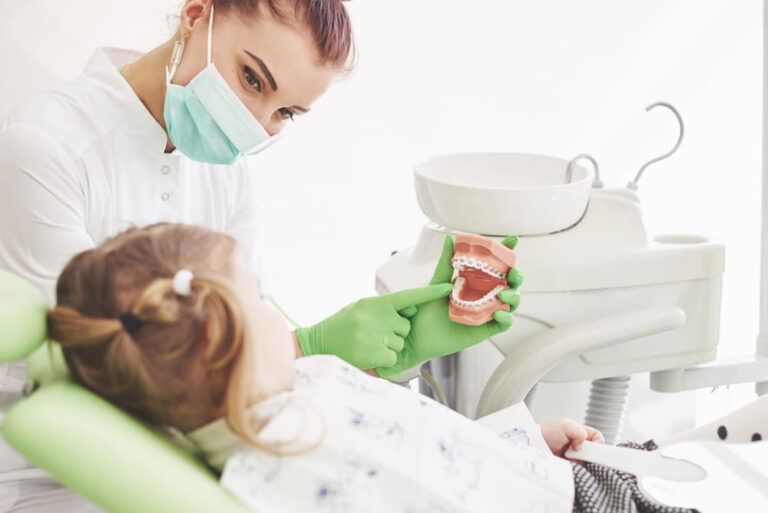
Providing dental care for patients with special needs requires skill, patience, and tailored approaches. At Sunset Dental Group in Santa Ana, CA, Drs. Amanda & Jerry Kronquist understand the unique challenges these patients face. Special needs dentistry is designed to accommodate individuals with physical, developmental, cognitive, or medical conditions that make standard dental visits more difficult. By offering specialized techniques, equipment, and care strategies, this field ensures that patients receive comprehensive oral health services in a comfortable and safe environment.
What Is Special Needs Dentistry?
Special needs dentistry focuses on patients who require modifications to standard dental care due to physical limitations, medical conditions, or behavioral challenges. These patients might include those with autism spectrum disorders, cerebral palsy, Down syndrome, severe anxiety, or complex medical histories. Dental professionals trained in this area understand how to adjust treatment plans, communication strategies, and chairside procedures to meet each patient’s needs.
One key component of special needs dentistry is creating a supportive environment. This may involve longer appointment times, the use of adaptive dental equipment, and incorporating calming techniques. Patients with sensory sensitivities or anxiety benefit from careful preparation and step-by-step guidance, making visits less stressful. This patient-centered approach ensures that even those with complex needs can receive consistent, high-quality oral care.
Benefits of Special Needs Dentistry
Special needs dentistry provides numerous advantages beyond basic oral hygiene. First, it helps prevent oral diseases that might otherwise go untreated. Patients with limited mobility or cognitive challenges often struggle with brushing, flossing, or communicating dental discomfort. Regular, specialized care helps prevent cavities, gum disease, and other complications that could significantly impact overall health.
Additionally, this type of dentistry emphasizes preventive strategies. Education for caregivers and patients on proper brushing techniques, diet, and oral habits plays a critical role in long-term oral health. Tools such as fluoride treatments, Dental Sealants, or custom Bite Guards can be incorporated to further protect teeth. By combining professional treatment with individualized home care guidance, special needs dentistry ensures patients maintain functional, healthy teeth while minimizing discomfort and anxiety.
Techniques and Accommodations
Dental professionals use a variety of techniques to make appointments manageable for patients with special needs. Behavioral management strategies, including positive reinforcement, visual aids, or social stories, can help reduce anxiety and encourage cooperation. For patients with severe dental fear or limited ability to tolerate treatment, Sedation Dentistry may be recommended to provide a safe, controlled environment during procedures.
Physical accommodations are also crucial. Adjustable chairs, wider access to equipment, and specialized instruments help ensure patients with mobility challenges can be treated comfortably. For those with medical conditions that require monitoring, dental teams coordinate care with physicians to ensure all treatments are safe and effective. These modifications make routine care possible and significantly improve patient outcomes.
Promoting Long-Term Oral Health
The ultimate goal of special needs dentistry is to provide patients with the tools and care necessary to maintain long-term oral health. Educating caregivers and patients about proper brushing, flossing, and diet plays an important role in preventing complications. Routine checkups, professional cleanings, and individualized care plans help detect problems early, preventing complex interventions in the future.
Specialized care also fosters confidence in patients who might otherwise avoid dental visits due to fear, discomfort, or accessibility barriers. With supportive techniques, customized treatment plans, and a compassionate approach, special needs dentistry ensures that all patients—regardless of their unique challenges—can achieve a healthy and comfortable smile.
Conclusion
Special needs dentistry is essential for patients requiring tailored dental care due to physical, cognitive, or medical challenges. Residents of Santa Ana, CA can benefit from understanding how specialized strategies, adaptive tools, and preventive care promote oral health and comfort. Sunset Dental Group, under the guidance of Drs. Amanda & Jerry Kronquist, highlights the importance of inclusive, patient-centered dentistry. By addressing each patient’s unique requirements, special needs dentistry ensures safer, more effective, and stress-free dental experiences for everyone.
Resources
American Academy of Pediatric Dentistry. (2020). Guidelines for the Management of Patients with Special Needs. Pediatric Dentistry.
Mouradian, W. E., et al. (2005). Access to dental care for children with special health care needs: National survey results. Pediatric Dentistry.
Petersen, P. E., & Yamamoto, T. (2005). Improving the oral health of older people: The approach of the WHO Global Oral Health Programme. Community Dentistry and Oral Epidemiology.
Recent Comments