Demystifying Root Canals: Separating Fact from Fiction
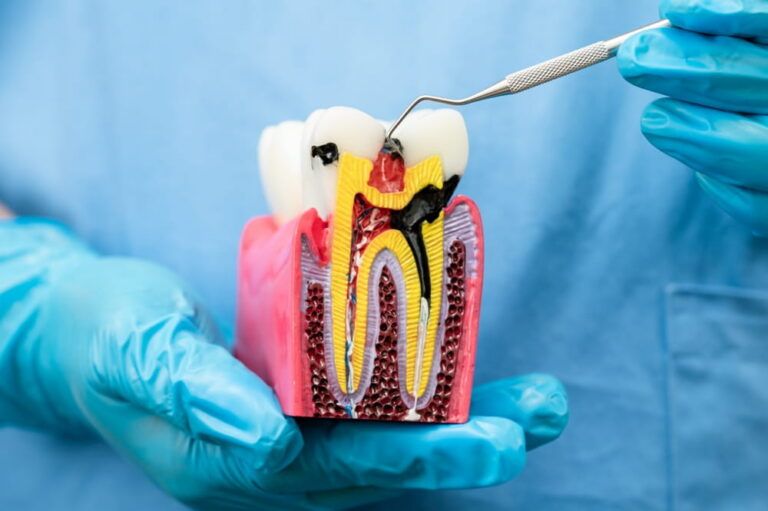
Many people feel uncertain when they hear the words “root canal,” often because outdated myths have shaped the way this treatment is perceived. Sunset Dental Group in Santa Ana, CA recognizes the importance of providing accurate dental education so individuals can better understand procedures designed to protect their oral health. Root canals are one of the most effective treatments available for saving teeth that have become infected or severely damaged.
A root canal is a dental procedure that removes infection or inflammation from the inner portion of a tooth. Beneath the hard outer layers of a tooth is a soft tissue called the pulp, which contains nerves and blood vessels. When bacteria reach this area because of deep decay, cracks, or trauma, the resulting infection can lead to pain, swelling, and potential tooth loss if left untreated.
The purpose of a root canal is to eliminate the source of infection while preserving the natural tooth structure. Instead of removing a damaged tooth, this treatment allows the tooth to remain functional while restoring comfort and stability. Understanding the actual purpose of the procedure is the first step in separating fact from fiction.
Common Root Canal Myths and the Truth Behind Them
One of the biggest misconceptions about root canals is that they are extremely painful. While this belief has been passed down for years, modern dental techniques have significantly improved patient comfort. The procedure itself is performed with local anesthesia, and many patients report that the experience is similar to receiving a routine dental filling.
Another common myth is that removing a tooth is always a better option than saving it with a root canal. While tooth extraction may sometimes be necessary, preserving a natural tooth is often preferred whenever possible. A natural tooth helps maintain proper chewing ability, supports surrounding teeth, and contributes to overall oral function.
Some people also believe that root canals are only needed when severe pain occurs. However, infections inside a tooth do not always cause immediate or noticeable symptoms. Regular dental examinations can help identify potential problems before they become more serious. Preventive care through General Dentistry plays an important role in detecting issues early and maintaining long-term oral health.
What Patients Can Expect During a Root Canal
A root canal procedure involves several carefully planned steps to remove infection and restore the tooth. First, the dentist evaluates the tooth and surrounding area to determine the extent of the damage. Once the area is numbed, a small opening is created in the tooth to access and remove the infected pulp.
After the damaged tissue is removed, the inside of the tooth is thoroughly cleaned and shaped before being sealed with a protective material. This process prevents bacteria from returning and allows the tooth to heal. Depending on the condition of the tooth, additional restoration may be recommended to strengthen and protect it.
In many cases, a tooth that has received root canal treatment requires a crown to provide added durability. Restorative treatments such as Crowns and Bridges are commonly used in dentistry to help protect teeth that have been weakened by decay, injury, or previous procedures.
The Benefits of Saving a Natural Tooth
One of the greatest benefits of a root canal is that it allows patients to keep their natural tooth. Maintaining natural teeth can help preserve normal bite alignment and prevent neighboring teeth from shifting into spaces created by missing teeth. This can support better oral function and reduce the need for more complex dental treatments in the future.
Another important benefit is that root canals address the underlying problem rather than simply managing symptoms. By removing infected tissue and sealing the tooth, the treatment helps create a healthier foundation for continued dental care. With proper brushing, flossing, and regular professional cleanings, a tooth treated with a root canal can continue serving its purpose for many years.
Facts to Remember About Root Canals
Understanding the facts about root canals can help reduce unnecessary concerns and encourage informed dental decisions. Key points to remember include:
- Root canals are designed to save teeth, not remove them.
- The procedure focuses on eliminating infection inside the tooth.
- Modern techniques make treatment more comfortable than many people expect.
- Proper restoration and ongoing oral care help support long-term results.
Root canals are not something to fear; they are a valuable dental treatment supported by decades of research and clinical success. When patients understand what the procedure involves, they can approach treatment with greater confidence and make choices that support their oral health.
For individuals in Santa Ana, CA seeking reliable information about dental procedures, Sunset Dental Group provides educational guidance to help patients better understand their options. Separating facts from fiction about root canals allows people to recognize the benefits of treatment and take proactive steps toward maintaining a healthy, lasting smile.
Resources
American Association of Endodontists. (2023). Root Canal Treatment: Understanding the Procedure and Benefits. American Association of Endodontists.
Mayo Clinic. (2024). Root Canal: Procedure, Recovery, and Oral Health Information. Mayo Foundation for Medical Education and Research.
National Institute of Dental and Craniofacial Research. (2023). Oral Health Topics: Tooth Decay and Dental Treatments. National Institutes of Health.

Recent Comments